How to Plan a Memorable Eco-Conscious Vacation

Christine Gordineer
Founder & Travel Curator

Travel beautifully. Travel intentionally. Leave a place better than you found it. Discover how to plan an eco-conscious vacation that combines refined comfort with regenerative travel — without compromising on the experience.
Travel beautifully. Travel intentionally. Leave a place better than you found it.
What if your next vacation could be more than a beautiful escape?
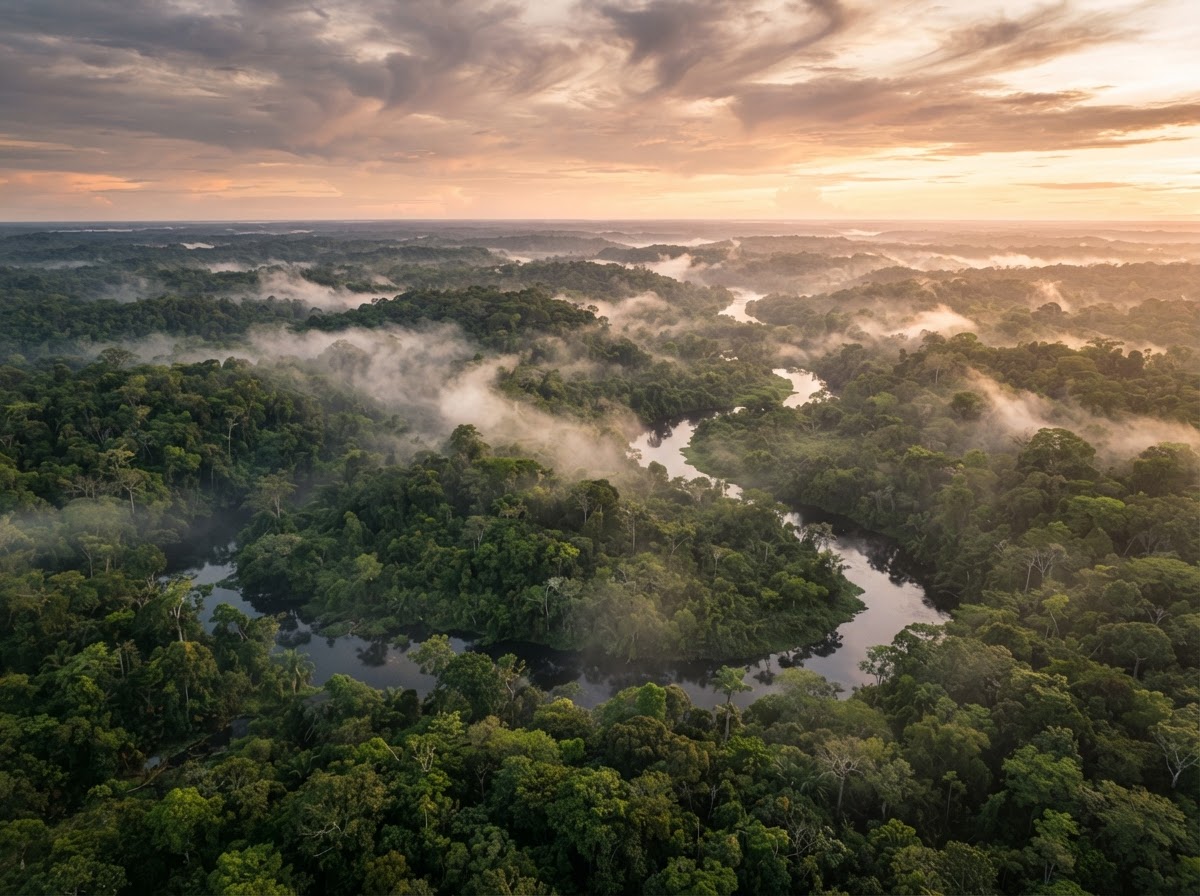
Imagine waking up surrounded by rainforest, swimming in crystal-clear water, dining on locally sourced ingredients, staying somewhere that actively protects its surrounding ecosystem, and returning home feeling genuinely restored — not simply rested.
That is the beauty of eco-conscious travel.
Sustainable travel doesn't mean sacrificing comfort, luxury, or unforgettable experiences. In fact, when thoughtfully planned, an eco-conscious vacation can offer something traditional travel often misses: a deeper connection to the destination, its people, culture, and natural environment.
At Tranquil Escapes, we believe luxury and sustainability can coexist. Our approach combines refined comfort with regenerative travel, intentional experiences, and personally vetted partners to create journeys that feel meaningful as well as memorable.
Here's how to plan an eco-conscious vacation without compromising on the experience.
What Is an Eco-Conscious Vacation?
An eco-conscious vacation considers the environmental, cultural, and social impact of your journey — from transportation and accommodations to dining, activities, and the businesses you support.
It goes beyond simply choosing an "eco-friendly" hotel.
A truly conscious trip considers questions such as:
* How does the property conserve water and energy?
* Does it protect surrounding ecosystems and biodiversity?
* Are local communities benefiting from tourism?
* Are ingredients sourced locally?
* Does the experience support local guides, artisans, farmers, or small businesses?
* Are wildlife encounters ethical and respectful?
* Can you reduce unnecessary transportation and waste?
* Does your spending contribute to the long-term wellbeing of the destination?
The goal isn't perfection.
It's making more intentional choices whenever possible.
1. Choose a Destination That Aligns With Your Values
The first step is choosing where you want to go — and understanding what makes that destination special.
Consider destinations where conservation, biodiversity, cultural preservation, and community-based tourism are part of the travel experience.
From Costa Rica's rainforests and wildlife corridors to Ireland's wild landscapes, Scandinavia's relationship with nature, or small coastal communities where local traditions remain deeply rooted, some destinations naturally lend themselves to more meaningful travel.
Before booking, research:
* Local conservation initiatives
* Protected natural areas
* Community-based tourism
* Indigenous or locally led experiences
* Wildlife protection programs
* Sustainable tourism initiatives
* Cultural preservation efforts
The destination itself becomes part of the experience.
2. Stay Somewhere That Gives Back
Your accommodation can have a significant impact on your trip.
Instead of choosing a property solely because it has beautiful rooms or a spectacular infinity pool, look deeper.
Look for hotels, lodges, villas, and retreats that demonstrate meaningful environmental and community commitments.
Some things to look for include:
Environmental stewardship
Does the property use renewable energy, reduce waste, conserve water, or protect native ecosystems?
Local sourcing
Does the restaurant purchase ingredients from nearby farms, fishermen, or producers?
Community investment
Does the property employ local residents or support education, healthcare, conservation, or community initiatives?
Biodiversity protection
Does the property protect forests, wildlife habitats, coral reefs, wetlands, or other sensitive ecosystems?
Responsible design
Was the property designed with the surrounding landscape and local architecture in mind?
Don't be afraid to ask questions.
A beautiful sustainability page is not enough. Look for specific actions and measurable initiatives rather than vague claims.
3. Consider the Journey, Not Just the Destination
One of the biggest environmental considerations when planning a vacation is transportation.
Air travel can represent a significant portion of a trip's carbon footprint, so consider ways to make the overall journey more intentional.
Where practical:
* Choose direct flights over multiple connections.
* Use trains instead of short regional flights when feasible.
* Walk or cycle when exploring locally.
* Use shared or private transfers strategically.
* Spend longer in fewer destinations rather than rushing between multiple locations.
This is one reason slow travel can be so rewarding.
Instead of trying to see five cities in seven days, imagine spending a week getting to know one region deeply.
You have time to linger over breakfast. Take the scenic route. Meet a local guide. Visit a small farm. Swim in the sea. Watch the sunset. Simply be present.
Sometimes the most luxurious thing you can give yourself is time.
4. Prioritize Local and Meaningful Experiences
Some of your most memorable travel experiences may not be the ones listed in a traditional sightseeing guide.
Consider experiences that connect you directly with the destination.
That could mean:
* Cooking with a local chef
* Visiting a family-owned farm
* Learning from a local artisan
* Exploring with a resident guide
* Taking a nature walk with a naturalist
* Participating in a conservation experience
* Visiting a local market
* Supporting women-owned businesses
* Learning about indigenous traditions through appropriate, locally led experiences
* Dining at independent restaurants
These experiences often create a stronger connection to place while ensuring more of your travel spending remains within the local economy.
Instead of simply visiting a destination, you begin to understand it.
5. Choose Wildlife Experiences Carefully
Wildlife encounters can be extraordinary — but responsible travel requires knowing where to draw the line.
Before booking a wildlife experience, ask:
Does this experience prioritize the animal's wellbeing over entertainment?
Look for reputable conservation organizations, ethical sanctuaries, and experienced naturalists.
Be cautious about experiences involving:
* Direct contact with wild animals
* Feeding wildlife
* Riding animals
* Performances
* Captive animals kept primarily for tourist entertainment
* Opportunities to handle wildlife for photographs
Responsible wildlife tourism should allow animals to behave naturally and maintain appropriate distance between humans and wildlife.
The best encounter isn't necessarily the one where you get closest.
Sometimes it's the moment you quietly observe an animal in its natural habitat and realize you are a guest in its world.
6. Eat Locally
Food is one of the most delicious ways to experience a destination — and one of the easiest ways to support local communities.
Whenever possible, seek out restaurants and accommodations that prioritize:
* Local ingredients
* Seasonal produce
* Regional specialties
* Family-owned farms
* Sustainable seafood
* Local food producers
* Small independent restaurants
Ask your travel advisor or hotel concierge for recommendations beyond the obvious tourist restaurants.
A farm-to-table dinner overlooking a vineyard, a family-run trattoria, fresh seafood prepared by a local chef, or a cooking experience in someone's home can become one of the defining memories of your trip.
7. Pack More Thoughtfully
Sustainable travel begins before you ever leave home.
Packing consciously can reduce waste and make your journey easier.
Consider bringing:
* A reusable water bottle
* Reusable shopping bags
* Reef-conscious sunscreen
* Refillable toiletries
* A reusable coffee cup
* A lightweight tote
* Versatile clothing
* A reusable travel utensil set
* Minimal single-use plastics
And remember: packing less can be a sustainable choice too.
A carefully selected capsule wardrobe can reduce luggage, simplify travel, and make moving between destinations much easier.
8. Spend Your Travel Dollars With Intention
Where you spend your money matters.
Tourism can be a powerful economic force, particularly when travelers intentionally support locally owned businesses.
Consider directing your travel spending toward:
* Locally owned hotels
* Independent restaurants
* Local guides
* Small farms
* Women-owned businesses
* Local artisans
* Community tourism organizations
* Conservation initiatives
This is where eco-conscious travel begins to move toward regenerative travel.
What Is Regenerative Travel?
Sustainable travel often focuses on reducing negative impact.
Regenerative travel asks a bigger question:
*Can my travel actually contribute to the wellbeing of the places I visit?*
Regenerative travel looks at how tourism can help restore ecosystems, strengthen communities, preserve cultural heritage, and create positive economic opportunities.
It's about moving beyond:
"How can I travel with less impact?"
toward:
"How can my presence contribute something positive?"
That might mean staying at a conservation-focused lodge, supporting local businesses, participating in a restoration project, or simply choosing partners whose business practices actively benefit their communities and environments.
9. Don't Try to See Everything
One of the easiest ways to make a vacation more meaningful is to stop trying to do everything.
You don't need to visit six destinations in one trip.
You don't need an itinerary packed from sunrise to midnight.
And you don't need to turn your vacation into another productivity project.
Instead, leave room for spontaneity.
Build in mornings without plans.
Schedule time in nature.
Allow yourself to linger over lunch.
Take an afternoon nap.
Watch the sunset.
Put your phone away.
This is the essence of slow luxury travel: having enough time and space to actually experience where you are.
10. Work With a Travel Advisor Who Understands Your Values
Planning an eco-conscious luxury vacation can require more research than simply booking a hotel and flight.
Which properties genuinely prioritize sustainability?
Which wildlife experiences are ethical?
Which local guides are reputable?
Which restaurants support local producers?
Which experiences provide meaningful community benefits?
And how do you distinguish genuine sustainability from greenwashing?
This is where an experienced travel advisor can make all the difference.
At Tranquil Escapes, we don't believe sustainable travel should feel like homework.
We curate thoughtfully designed journeys around your interests, travel style, and values — while seeking out accommodations, experiences, and local partners that align with a more conscious approach to travel.
Our philosophy is simple:
Luxury should feel good — and do good.
Your Eco-Conscious Vacation Checklist
Before booking your next trip, ask yourself:
☐ Does this destination align with my values?
☐ Am I staying somewhere that demonstrates meaningful environmental responsibility?
☐ Does my accommodation support local communities?
☐ Can I reduce unnecessary transportation?
☐ Am I choosing locally owned businesses?
☐ Are my wildlife experiences ethical?
☐ Can I incorporate nature, culture, and meaningful connection into my itinerary?
☐ Am I supporting conservation or community initiatives?
☐ Am I allowing enough time to experience the destination rather than rushing through it?
☐ Can I leave the destination better — or at least no worse — for having visited?
The Most Memorable Trips Are the Ones That Mean Something
An unforgettable vacation isn't necessarily the one with the most luxurious hotel, the longest itinerary, or the most Instagram-worthy experiences.
Sometimes it's the morning you wake up to birdsong in the rainforest.
The conversation with a local guide who changes the way you see a landscape.
The meal prepared with ingredients grown just down the road.
The hike through an ancient forest.
The family-owned business you discover by accident.
The quiet moment when you realize you've completely disconnected from everyday life.
These are the moments that stay with you.
And when your travel choices also help protect the places, cultures, and communities that made those moments possible, your vacation becomes something more.
It becomes travel with intention.
Ready to Plan Your Next Eco-Conscious Escape?
You shouldn't have to spend hours researching sustainability claims, comparing properties, vetting experiences, and coordinating every detail to create a meaningful vacation.
That's where Tranquil Escapes comes in.
We create personalized luxury journeys that combine refined comfort, meaningful experiences, wellness, and regenerative travel — with thoughtful consideration for the people and places you visit.
Whether you're dreaming of a restorative wellness retreat, a nature-filled adventure, a romantic escape, or a meaningful multi-generational journey, we'll help you create a trip that feels as good as it looks.
Ready to travel more intentionally?
Tranquil Escapes
*Journeys That Heal You & the Planet*
Travel With Total Peace of Mind
Protect your investment with Faye Travel Insurance — three-tier plans with app-based claims, real-time reimbursements, and Cancel For Any Reason coverage for bespoke itineraries.
Affiliated partner of Tranquil Escapes